
Key takeaways
- Fernando de Noronha limits daily visitors to around 460 people due to UNESCO protection, making advance booking for flights and accommodation essential for first-time visitors.
- Environmental fees are 50–70 reais per day for Brazilians and 200–300 reais for foreigners, plus flight costs of 800–2,000 reais depending on season, making a 3-night trip realistically 3,000–6,500 reais per person.
- The dry season (April–November) provides the best overall weather for first-time visitors exploring beaches, snorkeling, and hiking without rain interruptions.
- Only 30 pousadas exist on the island with rooms ranging 250–1,500 reais nightly; booking 2–3 months ahead during peak season is necessary to secure accommodation.
Fernando de Noronha, a volcanic archipelago 345 kilometers northeast of Recife, is one of Brazil’s most extraordinary destinations—and one of the most regulated. UNESCO-protected since 2001, this marine sanctuary limits daily visitors to around 460 people, making advance planning essential for first-time trips. Unlike crowded beach destinations in the Northeast, Noronha rewards preparation: understanding entry requirements, booking flights early, and respecting environmental rules transform a potentially frustrating visit into an unforgettable one.
Getting There: Flights and Access Points
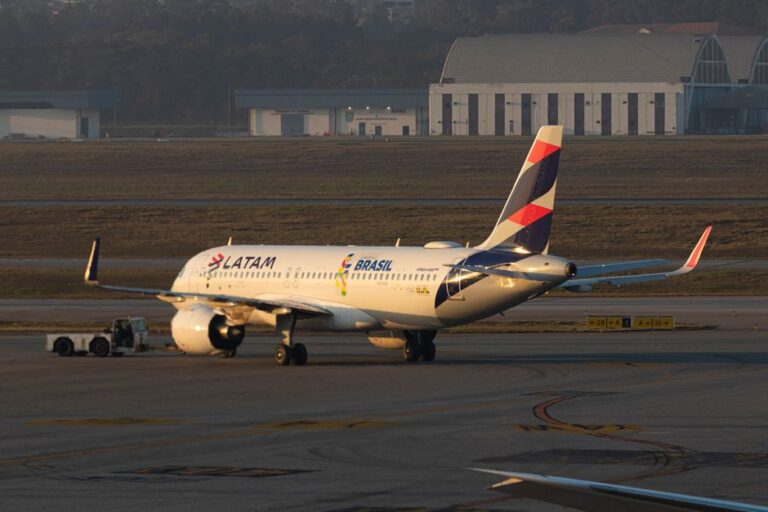
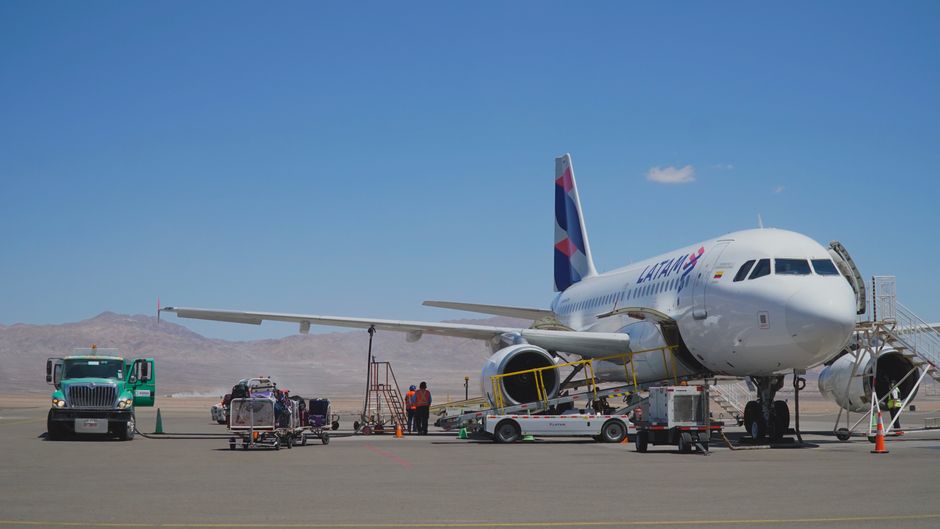
Recife International Airport (REF) serves as the primary gateway. LATAM and Azul operate the main routes from Recife to Fernando de Noronha (FEN), with flight times around 1 hour. From Rio de Janeiro or São Paulo, you’ll typically connect through Recife—expect 3 to 5 hours total travel including layovers. Direct flights from Rio are rare and require booking through LATAM’s network.
Flight prices fluctuate seasonally. Round-trip fares from Recife typically range from 800 to 1,400 reais during low season (April to October) and 1,200 to 2,000 reais during peak months (December to March). Booking 30 days in advance usually secures better rates. Both airlines offer flexible change policies useful when weather delays occur—Noronha’s small airport occasionally closes due to wind.
Ferry Option
A weekly ferry runs from Recife to Noronha, taking about 10 hours. This service is irregular, heavily dependent on weather, and offered mainly to residents. Tourist use is minimal, but it exists as a backup for travelers with time flexibility and a tighter budget.
Understanding Entry Requirements and Environmental Fees
Every visitor pays an environmental preservation fee to fund marine protection efforts. Brazilian citizens and residents pay approximately 50 to 70 reais per day, while foreign nationals pay 200 to 300 reais per day—a significant difference reflecting international visitor economics. The fee grants access to national park areas and helps maintain the archipelago’s marine reserve.
Daily Visitor Cap and Permits
Noronha accepts roughly 460 tourists daily, a strict cap enforced by the Chico Mendes Institute (ICMBio). This limit usually isn’t a problem for individual travelers—it primarily affects tour groups. When planning, assume availability during weekdays and off-season; long weekends and December holidays fill quickly. Book accommodation and flights before initiating entry logistics, as the order matters for permit issuance.
Documentation
Brazilian citizens need a valid ID or passport. Foreign nationals require a passport valid for at least 6 months. Visas depend on your country; if you need a visa for Brazil, it covers Noronha. No special additional permit exists beyond the environmental fee—this single payment unlocks park access.
When to Visit: Climate and Seasons
Noronha sits in the tropical Atlantic, with two distinct seasons. December to March brings rain, higher humidity, and ocean swells—ideal for experienced divers seeking challenging conditions but less comfortable for casual visitors. Sea temperatures reach 28–29°C, and rain showers are frequent but usually brief.
April to November is the dry season, with calmer seas and clearer skies. May to August temperatures drop slightly (24–26°C water), requiring a light wetsuit for diving. This window remains sunny and stable—arguably the best time for first-time visitors planning beach days, snorkeling, and hiking without constant rain interruptions.
Accommodation: Limited Supply, Premium Pricing
Noronha has roughly 30 pousadas and a handful of small hotels; luxury resorts don’t exist. This scarcity drives high prices. Simple pousadas in Vila do Nilo, the main settlement, range from 250 to 450 reais per night for a basic double room. Mid-range options (comfortable, kitchen access, some amenities) cost 500 to 800 reais. Premium pousadas—beachfront or with exceptional service—reach 1,000 to 1,500 reais nightly.
Booking Strategy
Book 2 to 3 months ahead for peak season, 4 weeks ahead for shoulder months. Most pousadas operate via WhatsApp or email rather than online booking platforms. Contact tourism websites or ask your airline’s travel desk for updated lists and recommendations linked to your arrival flight.
Alternative: Day-Trip from Recife
One-day tours from Recife exist but are exhausting—6 hours of travel plus 8 hours on the island leave minimal exploration time. They’re useful for quick verification before committing to a multi-day stay, but serious first-time visitors should stay at least 3 nights to justify travel costs and enjoy the pace.
Main Activities and Beaches
Beaches and Snorkeling
Praia do Sancho, consistently ranked among Brazil’s best beaches, features turquoise water, dramatic cliffs, and calm conditions perfect for snorkeling. Access requires walking down 240 steps, but visibility often exceeds 20 meters. Baía dos Porcos, adjacent, is shallower and ideal for beginners. Atalaia allows snorkeling in a natural tide pool, no waves, ideal for families.
Diving
Noronha attracts serious divers globally. The archipelago has 30+ dive sites, with depths from 12 to 40 meters. Manta rays, sea turtles, and reef fish are common. PADI-certified dive shops operate from the main island; expect costs around 400 to 600 reais per two-tank dive for open-water certified divers. Certification courses run 1,200 to 1,800 reais for open-water basic certification.
Hiking and Wildlife
Several trails crisscross the island. Trilha da Baía dos Porcos (45 minutes round-trip) passes through Atlantic forest and leads to an overlook. Trilha do Pico (2 hours) summits the highest point, rewarding climbers with 360-degree views. These hikes are free; some require advance booking through ICMBio due to visitor caps on specific trails.
Daily Costs and Budget Planning
A realistic first-time budget includes flights (1,000–1,500 reais round-trip from Recife), environmental fees (150–1,050 reais for 3 nights), accommodation (750–2,400 reais for 3 nights), meals (80–150 reais daily per person at local restaurants), and activities (400–600 reais for a dive, 0–200 reais for guided tours). A modest 3-night trip runs 3,000 to 4,500 reais per person; comfortable mid-range stays approach 5,000 to 6,500 reais.
Money-Saving Tips
- Bring cash in reais; ATMs exist but charge high fees, and card payments in tourist zones incur surcharges.
- Eat dinner at pousadas or simple beachside restaurants rather than tourist-facing establishments—approximately 30 percent cheaper.
- Book multi-dive packages; three dives cost less per dive than booking individually.
- Schedule your visit during shoulder months (May–June, September–October) for lower flight and accommodation rates.
Practical On-Island Tips
Noronha has no car rentals; taxis and transfer vans (arranged by pousadas) are the main transport. A small grocery store stocks basics, but expect 30 percent markups on imported goods. Most restaurants serve fresh seafood at reasonable prices (30–60 reais per entrée). Mobile phone coverage is reliable through local carriers Oi and Claro. Pack reef-safe sunscreen and a rash guard to reduce sun exposure and protect marine life.
Frequently Asked Questions
Do I need a special permit beyond the environmental fee to visit Fernando de Noronha?
No—the environmental fee (50–70 reais for Brazilians, 200–300 reais for foreigners, per day) is the only special permit. Brazilian citizens need a valid ID or passport; foreign nationals need a passport valid at least 6 months. Standard Brazilian visa rules apply.
What's the best time to visit Fernando de Noronha for first-time travelers?
April to November is ideal for most visitors—dry, calm seas, and clear skies make it perfect for snorkeling, diving, and hiking without rain interruptions. December to March brings rain and ocean swells, appealing to experienced divers but less comfortable for casual visitors.
How much should I budget for a 3-night first-time trip to Fernando de Noronha?
Expect 3,000–6,500 reais per person including flights from Recife (1,000–1,500 reais), environmental fees (450–900 reais), accommodation (750–2,400 reais), meals (240–450 reais), and activities like diving (400–600 reais). Budget options using simple pousadas and local restaurants cost closer to 3,000 reais; mid-range comfort costs 5,000 reais or more.
