
Key takeaways
- Brazil's beaches range from tropical islands with pristine reefs and warm year-round water to rugged southern Atlantic coastlines with powerful swells and cooler temperatures.
- The northeast dry season from September to March provides optimal conditions across most destinations; remote parks like Lençóis Maranhenses require 4×4 vehicles and advance planning.
- Infrastructure varies dramatically—resort destinations like Porto de Galinhas offer full amenities and easy airport access, while Praia do Rosa keeps minimal commercial development intentional.
Brazil’s coastline stretches for more than 7,400 kilometers, making it home to some of the world’s most spectacular beaches. From hidden coves accessible only by boat to expansive sandy shores backed by towering red cliffs, Brazilian beaches offer distinct experiences depending on region, season, and what you’re seeking. Whether you’re drawn to tropical islands, water sports, or peaceful solitude, these destinations should be on your travel list.
Fernando de Noronha: Brazil’s Most Pristine Island Archipelago
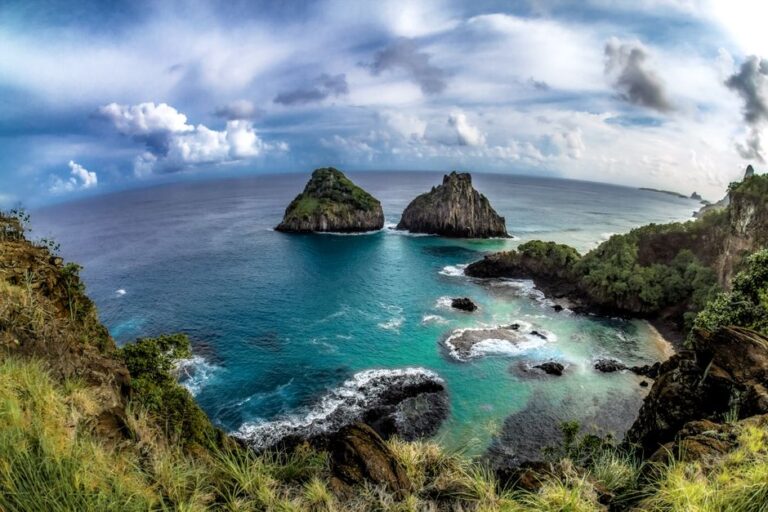
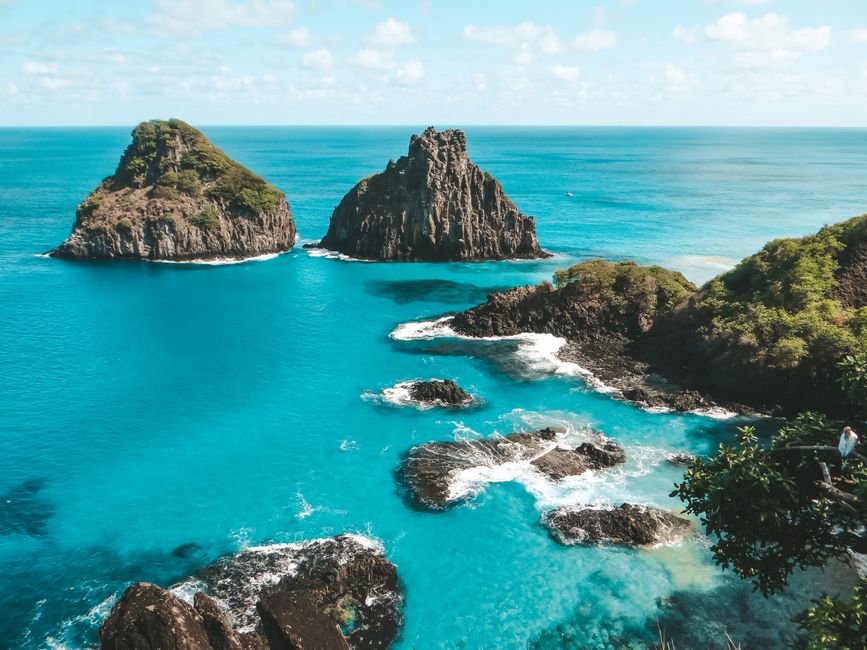
Approximately 545 kilometers off Pernambuco’s coast, Fernando de Noronha is a UNESCO World Heritage site and marine national park that protects ecosystems found nowhere else on Earth. The archipelago comprises 21 islands and islets, with the main island hosting all visitor infrastructure. Praia do Sancho consistently ranks among Brazil’s top beaches, with crystalline turquoise water, abundant marine life, and dramatic rock formations.
Visiting requires advance planning. Foreigners pay an environmental fee of R$ 70 per day, valid for 10 days. Access is only by air via TAP Air Portugal or LATAM from Recife airport (REC), with flights typically costing R$ 600–1,200 per person roundtrip. The flight takes 1 hour. Most visitors book organized packages through tour operators in Recife, ranging from R$ 1,500–2,500 per day including accommodation, meals, and guided activities.
The best time to visit is September through March, when seas are calmer and visibility for snorkeling reaches up to 50 meters. Infrastructure includes basic pousadas and restaurants, with lodging averaging R$ 400–600 per night. Bring cash—ATMs exist but are limited.
Jericoacoara: Ceará’s Windswept Coastal Gem
Located in northwestern Ceará, Jericoacoara has transformed from a sleepy fishing village into a thriving beach destination while maintaining much of its bohemian character. The beach itself stretches 12 kilometers, backed by dramatic sand dunes and sheltered by the distinctive Pedra Furada (Pierced Rock) formation at the western end.
Getting There and When to Go
The nearest airport is Fortaleza (FOR), approximately 240 kilometers away. From there, the journey takes 3–4 hours by car via highway BR-222. Several tour operators in Fortaleza offer day trips (R$ 150–300 per person) or multi-day packages. The best season is June through December, when trade winds are strongest for windsurfing and kitesurfing, and rainfall is minimal. January to May brings occasional heavy rains and rougher seas.
What to Do
The main activities center on water sports and natural exploration. Windsurfing and kitesurfing are world-class here, with equipment rental available at beachfront shops for R$ 80–150 per hour. Buggy rides across dunes to freshwater lagoons like Lagoa Paraíso cost R$ 80–120 per person for half-day excursions. Sunset at Pedra Furada is unmissable—arrive by 4 p.m. to secure a good viewing spot. Accommodation ranges from basic pousadas at R$ 150–250 per night to mid-range options at R$ 300–500.
Lençóis Maranhenses: A Desert Meets the Sea
This otherworldly landscape of sand dunes and freshwater lagoons spans 155 square kilometers in Maranhão. Unlike Jericoacoara’s permanent settlements, Lençóis Maranhenses exists as a protected national park with minimal infrastructure, making it ideal for adventurous travelers. The lagoons—Lagoa Azul, Lagoa Bonita, and Lagoa da Betânia—contain sweet water that collects during rainy season, creating stunning turquoise pools.
Access is from the town of Barreirinhas, 260 kilometers from São Luís airport (SLZ). A 4-hour drive costs R$ 200–400 per person via tour operators. Tours into the park require 4×4 vehicles and typically run R$ 250–400 per person for full-day excursions. The ideal visiting window is June through September, after rains fill the lagoons but before they begin to evaporate. October onwards, water levels drop significantly. Barreirinhas offers lodging ranging from R$ 180–350 per night.
Praia do Rosa: Santa Catarina’s Wild Southern Beauty
In southern Santa Catarina, Praia do Rosa stretches 7 kilometers of raw, windswept coastline backed by dense subtropical forest. Unlike the calm, warm beaches of the northeast, Rosa offers cool waters (18–22°C even in summer), powerful Atlantic swells, and fewer crowds. This is where Brazilian surfers go to escape.
The nearest major airport is Florianópolis (FLN), 280 kilometers north. The drive takes 4–5 hours via BR-116. Praia do Rosa itself offers limited accommodation—a small village hosts pousadas and guesthouses at R$ 250–450 per night. The summer season (December–February) brings the warmest water and most visitors. Winter (June–August) offers massive swells for experienced surfers, though water temperatures require wetsuits.
Activities include surfing at multiple breaks along the beach, hiking through coastal forest, and visiting nearby Lagoa de Ibiraquera for kayaking. A few restaurants serve fresh seafood at R$ 50–100 per person. The lack of commercial development is intentional—locals actively preserve the area’s quiet, natural character.
Porto de Galinhas: Pernambuco’s Family-Friendly Resort Beach
Located 60 kilometers south of Recife in Pernambuco, Porto de Galinhas combines resort amenities with natural attractions. Natural pools form among offshore reefs at low tide, creating calm, transparent lagoons perfect for snorkeling without diving experience. The beach itself is backed by coconut palms and beachfront restaurants.
Getting There and What to Expect
Recife airport (REC) offers direct flights from major Brazilian cities. Transfers to Porto de Galinhas take 1–1.5 hours (R$ 80–150 per car). Accommodation is abundant at R$ 200–600 per night depending on comfort level. The year-round warm water (26–29°C) makes it accessible any month, though the driest season runs October through February.
Activities and Dining
Beyond the reef pools, catamaran tours (R$ 120–180 per person) visit nearby Praia de Maracaípe and Praia do Cupe. Jangada (traditional wooden raft) rides cost R$ 60–90 per person. Evening entertainment includes live music at beachfront bars and restaurants serving grilled fish and seafood at R$ 40–80 per entrée.
Maragogi: Alagoas’ Quieter Tropical Paradise
Further north in Alagoas, Maragogi offers a more relaxed alternative to its busier neighbors. Twenty-seven natural pools form offshore here, with the closest ones reachable by 20-minute boat rides. The main town beach features calm, transparent water and white sand lined with coconut palms and casual beachfront shops.
Maceió airport (MCZ) is the main entry point, 60 kilometers away. Ground transfers take 1.5–2 hours (R$ 100–180). Accommodation ranges from R$ 150–350 per night. The best time to visit is from October to February, when rainfall is lowest. Boat tours to the pools cost R$ 100–140 per person; fishing trips run R$ 150–250.
Planning Your Beach Circuit
Most Brazilian beach destinations operate year-round, but the dry season (September–March) offers the most predictable weather for the northeast and central regions, while southern beaches see warmer water December through February. Domestic flights between major cities (Recife, Fortaleza, São Luís, Florianópolis) cost R$ 300–700 on regional carriers like GOL, Azul, and LATAM when booked in advance.
Beach infrastructure varies significantly. Developed destinations like Porto de Galinhas offer standard resort services, restaurants, and shops. More remote areas like Lençóis Maranhenses require advance planning, cash reserves, and comfort with basic accommodations. Renting a vehicle for multi-day exploration typically costs R$ 150–300 per day through local agencies.
Frequently Asked Questions
When is the best time to visit Brazilian beaches?
The northeast offers the warmest water and driest weather from October through February. For specific beaches: Jericoacoara's peak season for water sports is June–December; Lençóis Maranhenses is best from June–September when lagoons are full; Praia do Rosa's peak season for surfers is May–August.
How much does a beach vacation in Brazil typically cost?
Budget varies significantly. Basic pousadas run R$ 150–300 per night; mid-range accommodations R$ 300–500; resort properties R$ 500–1,000+. Add R$ 50–150 for meals at casual beachfront restaurants and R$ 80–250 for guided activities like boat tours, buggy rides, or water sports rentals. A week-long beach trip from major cities costs approximately R$ 3,000–5,000 per person including domestic flights, accommodation, and activities.
Can I visit multiple beaches on one trip?
Yes. The northeast coast allows circuits combining Recife-based beaches (Porto de Galinhas, Fernando de Noronha), Fortaleza (Jericoacoara), and São Luís (Lençóis Maranhenses). Domestic flights between these hubs run R$ 300–700 when booked in advance. Allow at least 3–4 days per destination for proper exploration; a two-week trip could comfortably cover 3–4 distinct beach areas.
