
Key takeaways
- Alfama and Chiado offer historic charm but require navigating steep hills and narrow streets.
- Alcântara and Marvila deliver nightlife, street art, and creative culture at prices 20–40% lower than central neighborhoods.
- Choose Príncipe Real for upscale contemporary culture, Belém for monuments, or Alvalade for authentic local living away from tourism.
- Lisbon's excellent public transit (€40 weekly) means staying outside the center doesn't distance you from major attractions.
Lisbon is a city of distinct neighborhoods, each with its own character, price range, and appeal to different types of travelers. Choosing where to stay shapes your entire experience—whether you’re chasing historic narrow streets, contemporary galleries, vibrant nightlife, or local authenticity. Here’s how to identify the right neighborhood for your visit to Portugal’s capital.
Historic Charm: Alfama and Belém
Alfama
Alfama is Lisbon’s oldest district, a maze of medieval streets climbing the hillside above the Tagus River. Staying here means waking to fado music drifting through windows, laundry strung between centuries-old buildings, and cobblestones worn smooth by foot traffic spanning centuries. Hotels and guesthouses range from approximately €70–150 per night for mid-range options; luxury renovated townhouses can exceed €200. The neighborhood’s main drawback is its steep hills—expect significant walking uphill, though the views reward the effort.
Alfama suits travelers who want authenticity and don’t mind older infrastructure. The Beco da Fome and Rua de São Tomás are lined with hole-in-the-wall tascas (traditional eateries) where mains cost €8–15. Tram 28, the most famous in Lisbon, climbs through the neighborhood and connects to other districts.
Belém
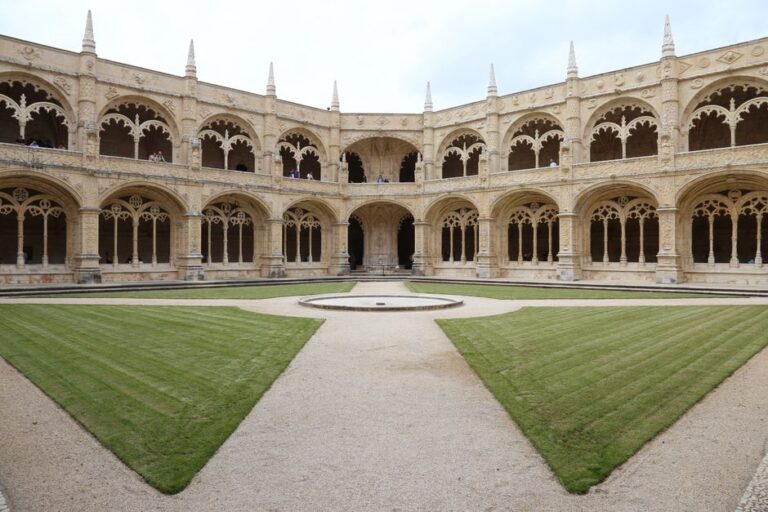
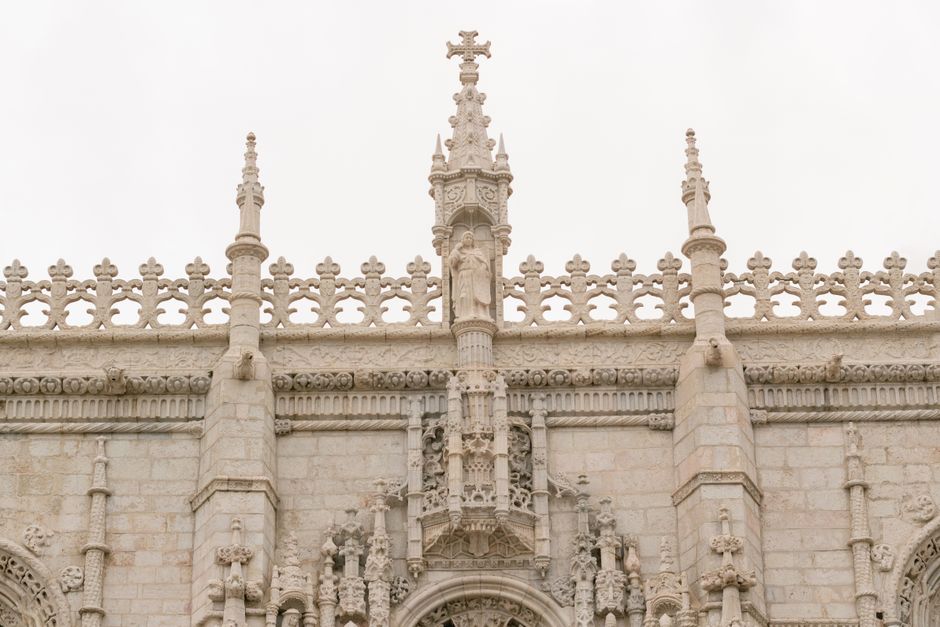
Belém sits along the river west of downtown, home to Portugal’s most significant monuments: Jerónimos Monastery, Belem Tower, and the National Coach Museum. It’s less about nightlife and more about cultural immersion and monument-gazing. Accommodation runs €80–180 per night for comfortable mid-range hotels. The neighborhood is quieter and more spacious than Alfama, with wider streets and better sidewalks.
Stay in Belém if museums and historical walking tours are your priority. The Pastéis de Nata from the original Pastel de Belém bakery (founded 1837) cost around €1.50 each and are genuinely worth any queue. The neighborhood’s main trade-off: it’s a 15–20 minute walk or tram ride to downtown energy, making it feel somewhat separate from Lisbon’s street-level buzz and bar scene.
Upscale and Trendy: Príncipe Real and Chiado
Príncipe Real
Príncipe Real is Lisbon’s most polished neighborhood for affluent travelers and LGBTQ+ visitors seeking contemporary culture. Boutique hotels, design shops, and craft cocktail bars dominate the area. Expect €120–250 per night for stylish mid-range lodging; five-star properties exceed €400. The neighborhood’s tree-lined square, Praça do Príncipe Real, hosts an open-air bar in summer months and a Christmas market in late autumn.
The area is compact, walkable, and filled with independent restaurants and design-forward shops. A dinner at a mid-range restaurant costs €15–25 per person for substantial portions and quality service. This neighborhood suits travelers with moderate-to-high budgets who want to feel embedded in Lisbon’s contemporary culture and nightlife.
Chiado
Chiado is the literary and bohemian heart of Lisbon, home to the historic bookstore Livraria Bertrand (opened 1732) and the iconic Café a Brasileira, where poet Fernando Pessoa’s statue sits at an outdoor table perpetually. Accommodation runs €90–160 per night for well-located guesthouses and hotels. The neighborhood sits at the intersection of historic Baixa and residential Bairro Alto, giving it cultural depth without sacrificing walkability or access to downtown.
Streets are steep in parts but narrower and more navigable than Alfama. Chiado is ideal for readers, artists, and anyone drawn to literary heritage or bohemian history. The concentration of museums, galleries, small theaters, and bookshops makes it a cultural and intellectual hub. Dinner and drinks average €20–30 per person for quality dining at local restaurants.
Nightlife and Contemporary Culture: Alcântara and Marvila
Alcântara
Alcântara, west along the river, has transformed into Lisbon’s primary nightlife epicenter over the past decade. Industrial warehouses now house clubs, bars, live music venues, and galleries. Accommodation is more affordable here—€60–120 per night—making it popular with younger travelers and digital nomads seeking lower costs. The neighborhood is grittier than Príncipe Real but more genuine in its grit, not designed-for-tourists aesthetic.
The LX Factory, a collective of artist studios and vintage shops housed in old warehouses, anchors the neighborhood’s cultural identity. Getting around requires more intentional effort than central areas—bus or taxi is typical. Alcântara suits travelers seeking nightlife, street art, indie music venues, and a less polished Lisbon experience.
Marvila
Marvila, north of the city center, is Lisbon’s emerging creative district where street art covers entire buildings and independent restaurants and galleries continue multiplying. Prices remain lower than established neighborhoods—€55–110 per night for hotels. It’s less touristy than central areas and attracts a mix of long-term expats, artists, creatives, and budget-conscious travelers building community.
The Oriente train station sits here, offering quick connections to day trips like Sintra and Cascais. Marvila works well for travelers interested in seeing how Lisbon actually evolves, beyond the postcard image marketed to tourists.
The City Center: Baixa
Baixa is the commercial and geographic heart of Lisbon, rebuilt on a grid plan after the devastating 1755 earthquake. The neighborhood is largely pedestrianized, flat, and packed with shops, restaurants, street performers, and tourists. Hotels here are pricier—€100–200 per night for mid-range options—and noisier due to constant foot traffic and street music. The neighborhood feels touristy by day but quiets somewhat at night as shops close.
Stay in Baixa for maximum convenience: you’re steps from major transit hubs, shopping, dining, and historic sites like the São Jorge Castle funicular entrance. The trade-off is that nighttime quiet is unlikely, and you’ll pay premium rates for the privilege of central location.
Local Living: Alvalade
Alvalade is a planned neighborhood from the 1930s, designed with tree-lined avenues and modest mid-rise apartment buildings in the Modernist style. It’s distinctly residential, with local supermarkets, family restaurants, and minimal tourism infrastructure. Hotels are fewer but generally affordable—€60–110 per night. The neighborhood is popular with expats and locals on longer stays or relocating to Lisbon.
Alvalade works well if you want to live like a Lisboeta, not as a tourist passing through. Restaurants serve Portuguese standards at €10–18 per meal. You’ll need to use public transport to reach major attractions, but the neighborhood is well-connected by bus and metro. It’s quieter, safer, and more authentically residential than central zones, at the cost of being less convenient.
Practical Tips for Choosing Your Neighborhood
Consider your travel style and budget before booking accommodation. Alfama and Chiado suit history lovers and readers willing to navigate steep hills. Príncipe Real appeals to upscale travelers seeking contemporary culture. Alcântara and Marvila attract younger crowds interested in nightlife and street art. Belém and Alvalade work best for longer stays and cultural tourism. Baixa maximizes convenience at higher cost.
Lisbon’s public transit is excellent—a week-long travel card costs approximately €40 and covers buses, trams, metro, and regional trains. This means staying slightly outside the center doesn’t isolate you from major attractions. Most neighborhoods are 10–20 minutes from downtown by public transport.
Visit outside peak summer months (July–August) if possible. Neighborhoods are less crowded in April–May and September–October, and accommodation is €10–30 cheaper per night during these shoulder seasons. Winter (December–February) sees significant rain but the lowest prices and fewest tourists.
Frequently Asked Questions
Which Lisbon neighborhood is best for history and culture?
Belém offers major monuments (Jerónimos Monastery, Belem Tower, museums), while Chiado provides literary heritage and Alfama delivers medieval authenticity. Belém suits monument tourism; Alfama suits intimate historic exploration.
What's the most affordable neighborhood in Lisbon?
Marvila and Alcântara offer the lowest rates (€55–120 per night) and attract younger travelers. Alvalade is affordable for longer stays with authentic local living. Peak summer (July–August) adds 10–30 euros to nightly rates across all neighborhoods.
Where should I stay for nightlife and contemporary culture?
Alcântara is Lisbon's primary nightlife hub with clubs and live music venues in converted warehouses. Príncipe Real offers upscale cocktail bars and design culture. Both neighborhoods are walkable and well-connected by transit to other areas.
